


Centre LSD Strengthens Women's Political Leadership Through Governance Incubator Training Ahead of 2027 Elections
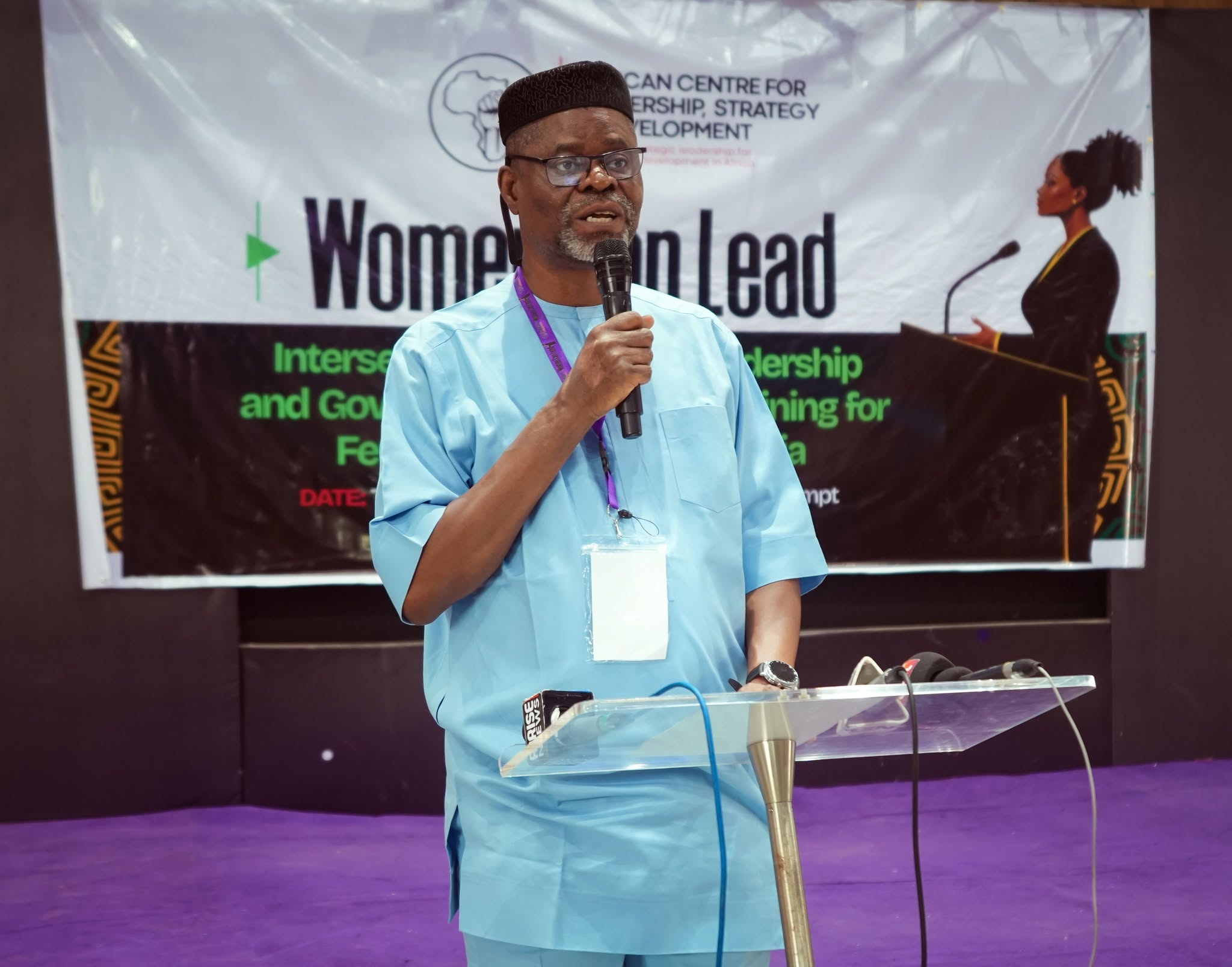
The African Centre for Leadership, Strategy and Development (Centre LSD) has reinforced its commitment to inclusive governance and women's political empowerment through the Women Can Lead: Intersectional Women's Leadership and Governance Incubator Training, held in Abuja on Thursday, 5 November 2026.
The training, organised under the Women Can Lead Project, brought together women from diverse backgrounds, including political aspirants and emerging leaders, to strengthen their leadership capacities, deepen their understanding of political processes, and equip them with practical skills to participate meaningfully in governance and decision-making.
The initiative comes as Nigeria prepares for the 2027 general elections, amid continuing concerns about women's underrepresentation in political leadership and the structural barriers limiting their access to positions of influence.
Moving Beyond Participation to Political Influence
Speaking at the training, the Founding Executive Director of Centre LSD, Dr Otive Igbuzor, emphasised the need to move beyond encouraging women's participation in politics towards dismantling the structural and institutional barriers preventing them from exercising meaningful political influence.
He identified discriminatory political structures, unequal access to campaign financing, political violence, harmful social norms, and limited access to influential political networks as persistent obstacles to women's political advancement.
Dr Igbuzor stressed that meaningful representation requires more than women's presence at political meetings or their appointment to symbolic positions. Rather, women must be empowered to influence party decisions, candidate selection processes, policy formulation, resource allocation, and governance outcomes.
He further encouraged participants to build strategic alliances, embrace mentorship, strengthen solidarity, and develop collective political power across generational, political, and social divides.
According to him, the true measure of the programme's success would not be the number of certificates awarded but the extent to which participants become politically effective, secure leadership opportunities, and influence governance decisions.
Equipping Women With Practical Leadership Skills
The Acting Director of Development at Centre LSD and Project Lead of the Women Can Lead Project, Pastor Praise Enang, explained that the initiative was designed to bridge critical leadership and capacity gaps that continue to limit women's participation in politics and governance.
She noted that while many women possess the ambition and potential to lead, they often face challenges navigating political structures, accessing strategic networks, and developing the skills required to advance their leadership aspirations.
The training therefore focused on strengthening participants' competencies in negotiation, advocacy, public speaking, political party engagement, political strategy, and collective mobilisation.
Through expert-led sessions and interactive learning opportunities, participants were exposed to practical approaches for communicating effectively, navigating political institutions, building alliances, and identifying opportunities for greater involvement in governance.
Pastor Enang also explained that the initiative extends beyond the training sessions, with provisions to connect selected participants interested in political leadership and governance to a six-month mentorship programme.
The mentorship component is intended to provide sustained guidance, strengthen professional and political networks, and support participants in translating their learning into practical leadership action.
Addressing Gender-Based Violence and Political Exclusion
A major focus of the programme was the persistent challenge of gender-based violence and discrimination against women in politics.
Delivering a keynote address through her representative, Ms Charity Anaja, the President of Women in Politics, Barrister Ebere Ifendu, highlighted the different forms of violence experienced by women seeking political office.
These include physical intimidation, psychological abuse, sexual harassment, economic exclusion, online harassment, and institutional discrimination.
She explained that such experiences can discourage women from pursuing political ambitions and restrict their ability to participate freely and effectively in political processes.
The discussions underscored the importance of addressing these barriers through institutional reforms, stronger support networks, and deliberate measures that create safer and more inclusive political environments.
In her goodwill message, the Chairperson of the House of Representatives Committee on Women Affairs and Social Development, Hon. Kafilat Ogbara, acknowledged women's contributions across various sectors of national development.
She emphasised the need to create institutional, political, and social conditions that enable women to participate meaningfully, compete fairly, and exercise leadership.
Building Collective Power and Sustaining Women's Leadership
Beyond individual capacity development, the incubator training emphasised the importance of collaboration, mentorship, and collective action in advancing women's political leadership.
Participants were encouraged to develop clear leadership goals, identify relevant stakeholders, build strategic relationships, and translate their aspirations into practical action plans.
The programme also provided opportunities for participants to exchange experiences, learn from one another, and explore strategies for overcoming challenges within political and governance institutions.
Participants who spoke with the media described the training as an important opportunity to strengthen their knowledge, improve their political strategies, and connect with other women pursuing leadership opportunities.
The intersectional approach adopted by the programme recognises that women experience different barriers depending on factors such as age, disability, income, educational background, and geographical location. By acknowledging these differences, the initiative seeks to promote a more inclusive approach to leadership development.
Advancing Inclusive Governance Beyond 2027
The training forms part of the 24-month Women Can Lead Project, supported by the Ford Foundation, which seeks to strengthen women's leadership, political participation, and influence in governance and decision-making.
While the 2027 general elections provide an important context for the intervention, the project adopts a longer-term approach to women's leadership development.
Through capacity strengthening, mentorship, networking, and strategic engagement, Centre LSD aims to support women in navigating political institutions and contributing meaningfully to public decision-making beyond electoral cycles.
The initiative reflects Centre LSD's continued commitment to promoting accountable leadership, gender equality, democratic participation, and inclusive development.
By strengthening women's capacity to move from participation to influence, the Women Can Lead Project contributes to the broader effort to build political and governance institutions in which women have greater opportunities to lead, shape decisions, and contribute to Nigeria's development.


