


From quarry pits to fishing settlements, women are saving together, growing businesses, and creating new opportunities in their local economies.
By Monday Osasah
When the crusher at a quarry in Abakaliki breaks down, the women who carry stone cannot count on earning from it that day. Yet their families still need food, and the next school fee still has to be paid.
For some women in Ebonyi State, breaking and carrying rocks was the work on which their households depended. It was physically demanding and uncertain. Now, through a cooperative society supported by the African Centre for Leadership, Strategy & Development (Centre LSD), some have started small businesses. When work at the quarry stops, they have another way to earn.
Their experience is part of Centre LSD’s Women in Frontline Extractive Communities (WIFE) initiative, implemented under the Ford Foundation BUILD grant. The initiative has organised more than 350 women into 19 cooperatives across Ondo, Edo, Delta, Anambra, Imo, Bayelsa, Rivers, Cross River, Akwa Ibom and Ebonyi states.
At the heart of the initiative is an interest-free revolving loan model, with a 5% processing fee to support administration. Members save regularly and borrow under agreed repayment terms. When one woman repays her loan, another can use the money. Elected leaders and fellow members help manage the funds and hold one another accountable.
The model offers women more than access to cash. It gives them a structure through which to save, learn from one another and make decisions about their economic lives. For women whose options have been limited to hazardous extractive work or small, unstable earnings, it can open a path towards a more dependable livelihood.
Creating Alternatives for Quarry Women in Abakaliki
In Abakaliki, WIFE training helped reactivate a cooperative that quarry women already had but had not been able to use effectively. Members learned how to organise savings and loans and take up leadership roles. Women who previously lacked bank accounts or formal identification received support to enter the banking system.
By September 2026, the Abakaliki cooperative reported 25 active members, ₦2.356 million in savings and loans to 20 members. Some used the capital to expand petty trade. Others invested in grinding machines to process corn.
Their businesses mean that income no longer has to depend entirely on whether the quarry crusher is working.
Growing Small Businesses in Imo State
In Imo State, the Izombe cooperative operates in Aborshi–Izombe, an oil-producing community where many women have run small businesses without enough capital to grow them.
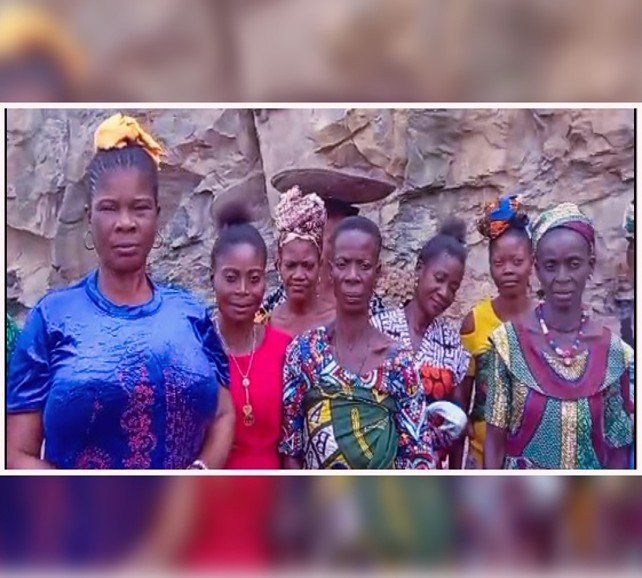
Chinyere Ndikara, a foodstuff trader, expanded her stock after receiving a loan. She also developed a more consistent savings habit and understood that repaying her loan would allow another member to borrow.
Amakwe Blessing, a nurse who runs a chemist shop, used her loan to stock more drugs. Chiwendo Ihezurike, who trades in dry meat, described how the cooperative had helped her provide food for her children.
In each case, the loan supported an existing effort by a woman to keep her household going.
From Buying Flour in Cups to Buying by the Bag
In Cross River State, Grace Mendie’s story can be told through the way she buys flour.
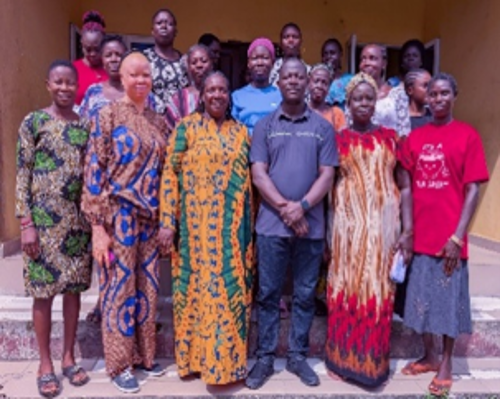
Grace, a widow and member of the Etinyin Abasi cooperative, once bought flour in cups because she could not afford more. After receiving a cooperative loan, she reported that she could buy it by the bag.
She was better able to stock her business, pay her children’s school fees and meet her rent. Her cooperative has also begun a poultry enterprise to generate income for the group.
Elsewhere in Cross River, Nkoyo Bassey Enong, a fish trader in Bakassi, used a loan to increase her stock. In Calabar, Grace Emmanuel Udene, who had previously stayed at home without an income of her own, started a baking business.
The products they sell differ, but both women gained a way to earn that they could build upon.
Building New Sources of Income in Delta State
In Delta State, Blessing Ifogbe of Otu-Jeremi used a cooperative loan to start a point-of-sale and confectionery business serving students.
An earlier progress report recorded growth from ₦30,000 in starting capital to ₦150,000 in turnover within three months. A later cooperative return reported that her weekly profit from the point-of-sale business had risen from ₦5,000 to ₦10,000. She also added fried fish and tapioca to what she sold.
The Otu-Jeremi cooperative supported Esther Mukoro after the unexpected death of her husband. She used a loan to start a shovel and building-equipment rental business. The group offered both a route to income and support at a difficult point in her life.
Other Delta cooperatives show how different the needs of members can be.
At Ebor-Orogun, Felicia Iwhuwavwe, who sells kpomo, expanded her stock and began saving weekly. Mary Esenwa invested in her fish and used-clothing trade and in a groundnut farm.
In Oghara, Mukoro Christiana Eseoghene used a loan to bring water to her vegetable farm, addressing a problem that had constrained her during the dry season.
Members also described sharing business ideas and becoming more mindful of the money they earned.
Opening the Door to Trading in Ondo State
In Ondo State, Ajimuda Titun and Ikuyinminu Omolola had wanted to start businesses but lacked capital.
After receiving loans through the Igbokoda cooperative, they began selling fresh fish and pepper. Their cooperative’s account does not say which woman sells which product. It does show that both found a way into trading through finance they previously could not access.
Saving, Farming and Economic Inclusion in Anambra
The experience in Anambra State shows that progress does not always begin with a loan.
In Ojoto, a woman who grows cassava and processes it into fufu has developed a regular savings habit through her cooperative. She is saving towards a machine that could make her work easier and increase what she can produce.
Before joining, she had no structured place to keep money aside. Now she can put something away for an unexpected need while working towards a longer-term business goal.
The Ojoto cooperative had not yet begun disbursing loans when it submitted its September report. Members considered the proposed amounts too small for meaningful investment.
Their decision illustrates an important part of cooperative ownership: women can assess what will actually help their businesses rather than borrow simply because a loan is available.
Another Anambra cooperative, involving women with disabilities, rented land for a shared vegetable farm. When growing vegetables in bags proved costly, members changed course and planted directly on the land.
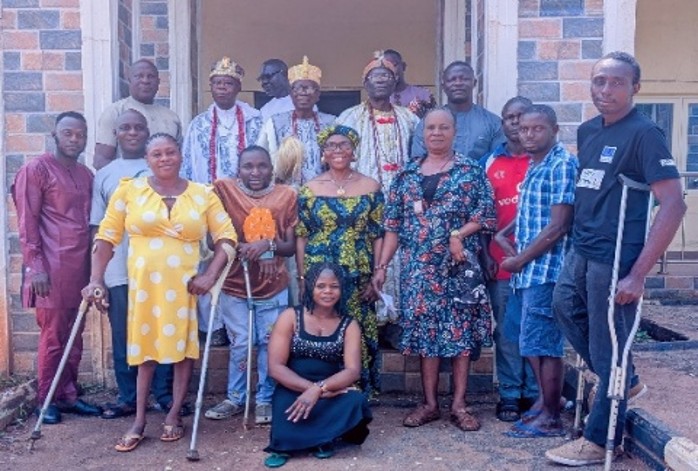
They reported ₦56,770 in sales after replanting and developed links that helped them access agricultural training and inputs. The cooperative identified Okwudili Obiora among loan beneficiaries who had built savings.
That work built on an earlier Centre LSD investment through the Intersectional Leadership Incubator Fellowship under the same BUILD grant. Advocacy for the inclusion of persons with disabilities in host-community decisions helped create a foundation for their economic organisation.
The cooperative also helped establish and stock a kiosk for a member who had previously earned a living hawking sachet water under physically strenuous conditions. She gained a less demanding place from which to trade.
Pooling Resources to Solve Problems in Edo
In Edo State, members of the Ikpeshi Ofomeh cooperative faced a problem familiar to quarry workers during the rainy season: water collected in the pits and interrupted work.
They reported jointly buying pumps to clear it. Members also used loans for trading and quarry-related activities.
Their response shows what becomes possible when people pool resources to solve a problem that may be too costly for one worker alone.
The cooperatives can also provide help when business is not the immediate concern. Another Edo group reported supporting members through family difficulties, offering a reminder that women do not leave their personal struggles outside the meeting room.
Supporting Women’s Livelihoods in Bayelsa
In Bayelsa State, the Nembe women’s cooperative named Bogofanyu Okolo, Ebinabo Abrakasa and Inatimi Young among members who had experienced changes in their livelihoods.
Its report describes women who previously had no business or place to trade and struggled with household expenses. Members said access to financial support helped them begin earning.
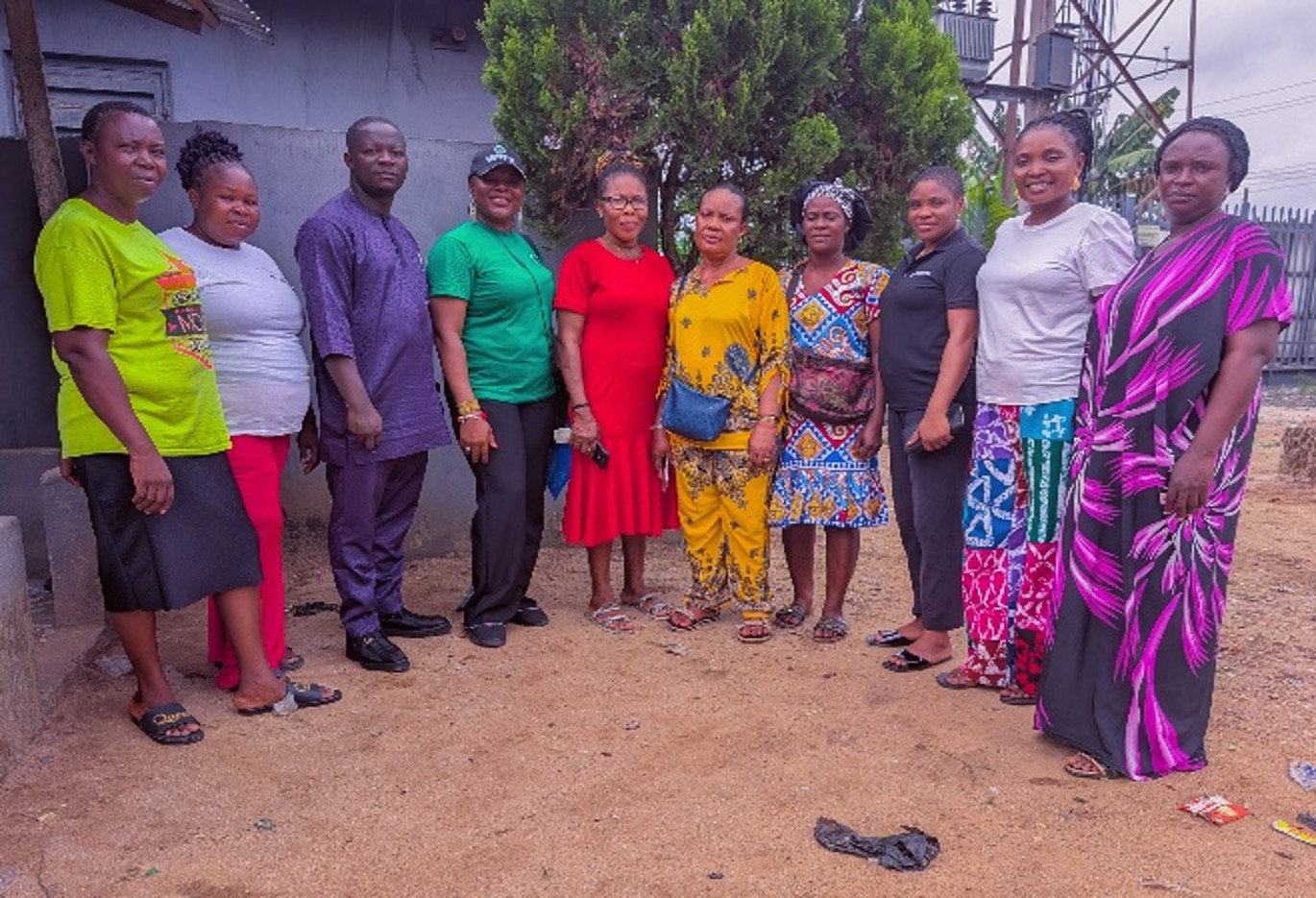
The report does not assign a separate business outcome to each of the three women, but their inclusion gives names to the change the group described.
Nembe members also identified transport and fishing materials as needs that could help them grow. In a riverine community, getting goods to market can be as important as finding the capital to buy them.
From Two Bags of Rice to Ten in Rivers State
In Rivers State, the Igwuruta cooperative supported Omaonu Helen, a rice farmer, to buy seed rice, chemicals and fertiliser.
Its earlier progress report recorded an increase in her production from two bags to ten. She also began saving ₦3,000 monthly.
For Gift Edet Eyo, who had used the capital from her provision store to pay for medical treatment, a loan provided a way to restart the business.
The Igwuruta cooperative introduced bulk purchasing of foodstuffs so members could obtain household essentials at better prices. For a family managing a tight budget, reducing the cost of food matters alongside increasing income.
The group’s activities show how a cooperative can support both a member’s business and her household.
Building a Savings Culture in Akwa Ibom
In Akwa Ibom State, the Uqua Eket cooperative reported that members who had lacked the capital to start businesses obtained loans and began trading.
Members have been building a savings habit through regular contributions while learning why loans must be repaid for the fund to keep serving others.
In Ibeno, another cooperative was formed after Centre LSD training, bringing women in the coastal community into an organised group.
Why Cooperatives Matter to Local Economies
Taken together, these stories explain why cooperative societies matter to local economies.
Grace buys more flour for her business. Blessing adds products to her stall. Ajimuda and Ikuyinminu enter the market as traders. An Anambra group rents land and sells vegetables. A rice farmer buys inputs; a baker serves customers.
Each activity connects women to suppliers, buyers and other workers nearby. As businesses grow, money circulates through their communities.
But the cooperatives do more than move money.
Members meet, exchange ideas and make decisions together. They learn to save, keep records and speak collectively about what their businesses need.
When illness, bereavement or a setback interrupts a woman’s livelihood, the group can also be a source of support. That sense of belonging helps build resilience alongside income.
The Challenges Ahead
The journey is not without difficulties.
In many cooperatives, more members want loans than the funds can support. Rising prices reduce what small loans can buy. Some groups face late repayments; others need stronger bookkeeping, transport, equipment or training.
Protecting the revolving funds through clear records and reliable repayments is essential if the next woman is to have her turn.
Building Local Economies from the Ground Up
The most human measure of WIFE, however, is found in what women can now do.
It is in Grace buying flour by the bag instead of the cup.
It is in Blessing growing a business around the customers she knows.
It is in a woman trading from a kiosk instead of hawking water, and in a quarry worker knowing that one broken crusher need not leave her family without income for the day.
Those changes bring relief and smiles to women’s faces.
They also show how a local economy grows from the ground up: one woman gains the means to work, her business connects with others, and a cooperative stands behind her as she builds something more secure.
Monday Osasah is the Executive Director of the African Centre for Leadership, Strategy & Development (Centre LSD).


