The Federal Capital Territory (FCT) Area Council Elections scheduled for Saturday, 21 February 2026, were held as planned. The elections covered the six Area Councils, Abaji, AMAC, Bwari, Gwagwalada, Kuje, and Kwali comprising 62 electoral wards and 2,822 polling units (PUs). The FCT has a total of 1,680,315 registered voters. A total of six Chairmanship seats and 62 Councillorship seats are being contested.

CENTRE LSD INTERIM REPORT ON THE 2026 FCT AREA COUNCIL ELECTIONS HELD ON SATURDAY, 21 FEBRUARY 2026
Preamble
The Federal Capital Territory (FCT) Area Council Elections scheduled for Saturday, 21 February 2026, were held as planned. The elections covered the six Area Councils, Abaji, AMAC, Bwari, Gwagwalada, Kuje, and Kwali comprising 62 electoral wards and 2,822 polling units (PUs). The FCT has a total of 1,680,315 registered voters. A total of six Chairmanship seats and 62 Councillorship seats are being contested.
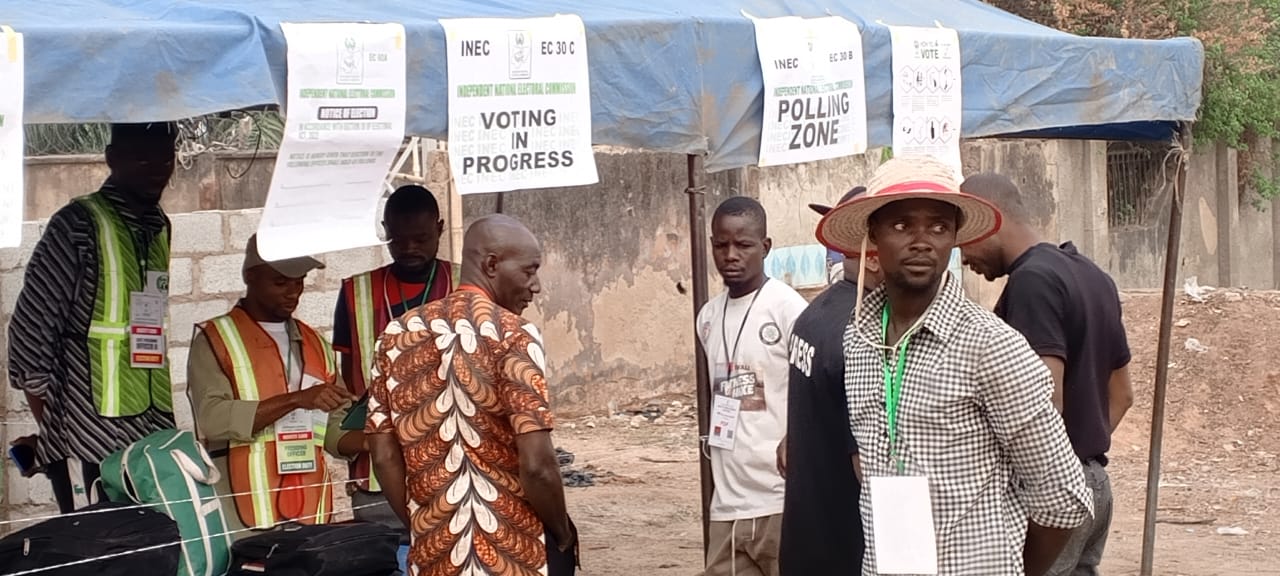
This election is the second to be conducted under the leadership of Prof. Joash Amupitan as Chairman of the Independent National Electoral Commission (INEC). It comes at a time of heightened citizen demand for transparency and credibility in Nigeria�s electoral processes, particularly following the signing of the Electoral Act 2026 and calls for unambiguous provisions mandating the electronic real-time transmission of polling unit results to the INEC IReV portal.
Historically, FCT Council elections have been characterized by voter apathy. The last elections, held in 2022, recorded a voter turnout of 5.09%. The 2026 elections are taking place against the backdrop of increasing voter apathy observed in by-elections conducted since the 2023 general elections.
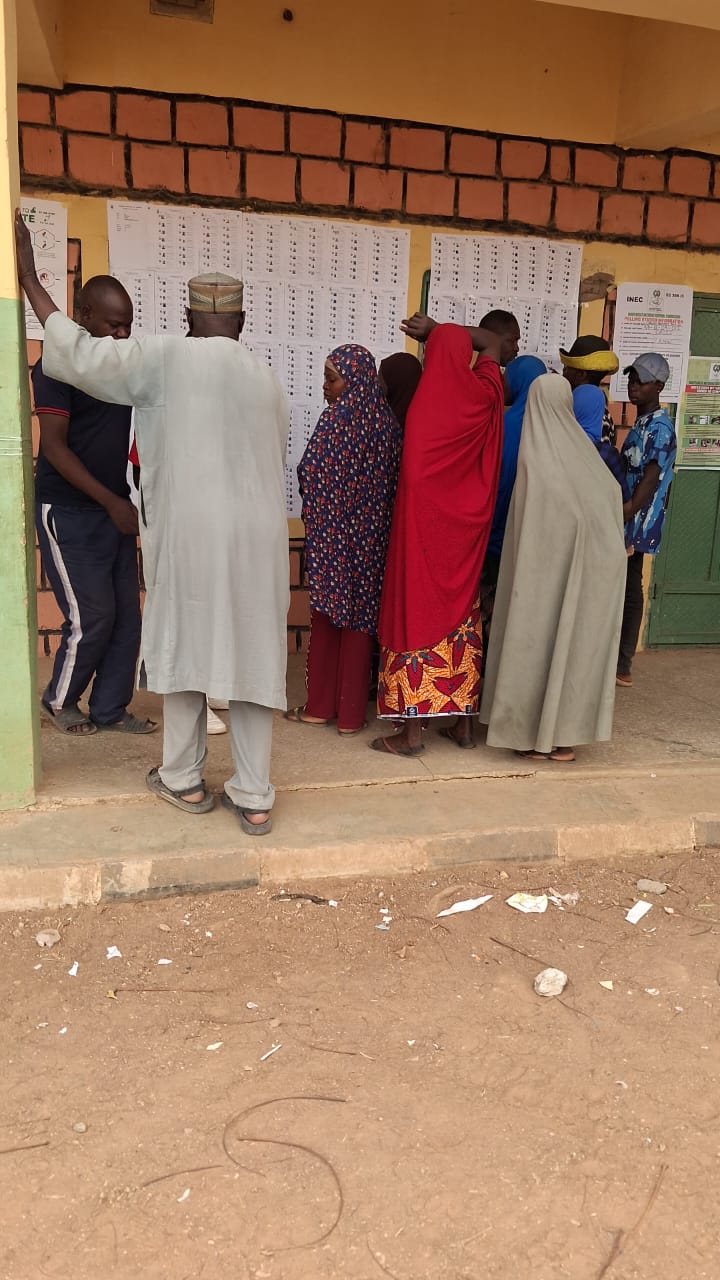
While the build-up to the election was generally peaceful, stakeholders expressed concerns regarding voter apathy, the need to clean and update the voter register, security challenges particularly in identified flashpoints and the deterrence of vote trading. Although INEC repeatedly assured stakeholders of its readiness to deploy seamlessly across the FCT, previous gaps between commitments and actual delivery were discussed at various Civil Society Organization (CSO) and INEC engagement meetings.
Below is a summary of the interim findings received from Centre LSD observers.
Key Observations
- INEC Logistics and Arrival of Materials: Deployment of INEC officials and materials was mixed. While some polling units recorded timely arrival, others experienced delays. At King of Kings Secondary School, Lugbe (AMAC), officials and materials arrived at 9:57 a.m. At LEA Primary School Polling Unit, Galadimawa (Apo), officials arrived at 9:10 a.m. At PU EC30A 004, Section 2, Area 1 (AMAC), officials arrived at 9:03 a.m. As of 9:00 a.m., no INEC officials had arrived at FCDA Quarters, Site 1 Polling Unit
- Accreditation and Voting: In most polling units observed, accreditation commenced shortly after setup. The process was initially slow but improved over time. At Polling Unit 053, Karu, accreditation and voting commenced at 9:04 a.m., with only two voters present. At Kabusa Primary School Polling Unit, accreditation began at 9:05 a.m. At PU EC30A 004, Section 2, Area 1 (AMAC), voting commenced at 10:15 a.m. At CBN Quarters, Birnin Kebbi Street (PU EC30B), as of 11:30 a.m., officials were present but no voters had turned out.
- Voter Turnout: Voter turnout was generally very low across most polling units observed. However, unusually high turnout was recorded at Abaji East Primary School, Nuku Ward, and at PU 004, Kayarda Primary School, Kuje.
- Vote Buying: Polling Officers generally made deliberate efforts to position voting cubicles to ensure voter secrecy. While no overt cases of vote buying were observed in most polling units, suspicious activities suggestive of vote trading were reported at PU 023 and PU 171, Federal Staff Clinic, Gwarinpa (AMAC). There was also a noticeable presence of EFCC officials at Orozo Primary School, Polling Unit 015 (AMAC).
- Security: The voting process was generally peaceful across polling units observed. There was a strong presence of security personnel. At LEA Polling Unit, Galadimawa, five Nigeria Police officers and three Civil Defence Corps officers were deployed. Personnel of the Nigerian Immigration Service were observed at Orozo Primary School, Polling Unit 015 (AMAC).
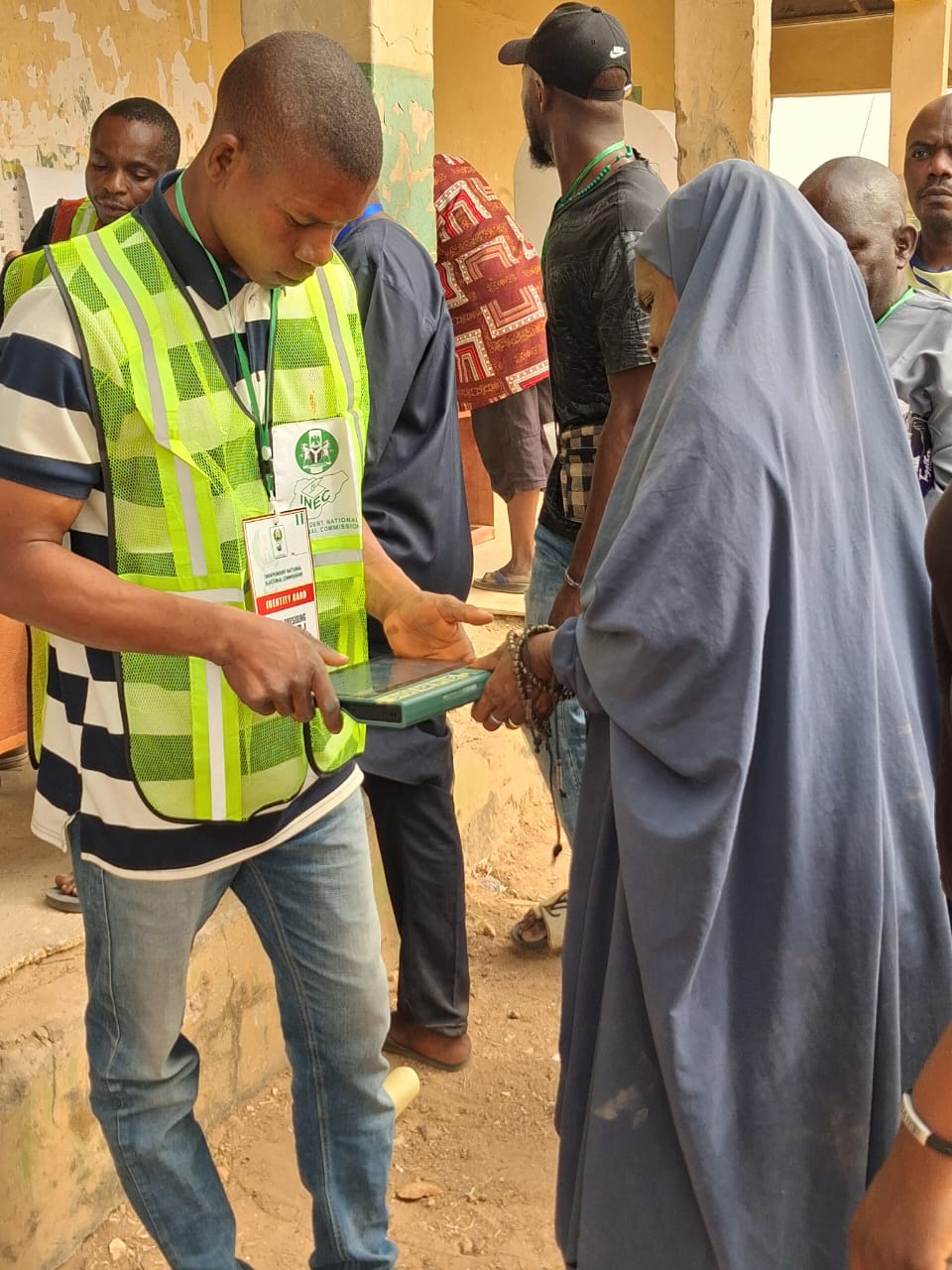
- Functionality of BVAS: The Bimodal Voter Accreditation System (BVAS) functioned effectively in most polling units observed. At FCDA Site 1 Polling Unit, the Presiding Officer demonstrated to party agents that the BVAS device was not preloaded with results.
Challenges Observed
The following challenges were identified during the observation process: Late arrival of ad-hoc staff and election materials in some polling units.
- Extremely low voter turnout compared to the number of registered voters.
- Some voters were unable to locate their names on the voter register and were consequently unable to vote.
- Many polling units did not have accredited party agents present.
Conclusion
The electoral process has, thus far, proceeded peacefully in the areas covered by Centre LSD observers. However, concerns regarding low voter turnout and logistical delays remain significant. The African Centre for Leadership, Strategy & Development (Centre LSD) will issue a comprehensive final report after the conclusion of the electoral process.
Mr. Monday Osasah, FSM
Executive Director
Centre LSD
Share this post


